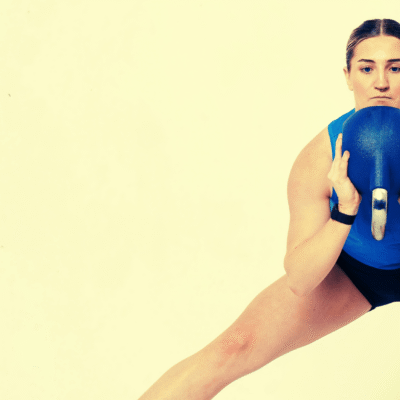


For all the same reasons adults need to weight train, but with even greater returns.
Exercise – particularly strength training – is the greatest gift an adult can give themselves: our ability to think, our mood and the quality of our sleep are all immediately improved. And, of course, all measures of health (including social connection) also improve over not-much-longer time horizons.
Even if you have never really exercised before, moderate intensity movement, most days a week is all it takes to live your best life. There is no better return on the investment of your time.
But just like a savings account, the earlier you start strength training the better:
Better physical health.
Strength training helps young people develop stronger muscles, bones and connective tissues while improving balance, coordination and physical literacy. Just as importantly, it can help establish regular physical activity as a normal part of life.
Better mental health.
Regular physical activity is associated with improved mood, self-esteem and overall psychological well-being in children and adolescents. Learning new skills, overcoming challenges and becoming physically capable can also build confidence and a sense of accomplishment that carries into other areas of life.
Injury prevention for young athletes.
For athletes, appropriately supervised strength training can help develop the strength, stability, coordination and movement control needed to handle the demands of sport. Building these qualities can help young athletes better tolerate training and competition while potentially reducing their risk of certain injuries.
Which begs the question: if strength training is so good for kids why isn’t it the norm?
The simple answer is bad information or a complete lack of it.
Until recently, most people assumed that strength training was ill advised for children because some adults (the ones trading sanity and safety in pursuit of being sexy) hurt themselves in the gym and, in fairness, because more serious injuries (like growth plate fractures) were possible in children.
But appropriately programmed strength training presents no more risk to a child than playing sports. In fact, because strength training takes place in a controlled environment and at sub-maximal effort, a child may be more likely to be injured on a court or a field than in the gym.
Our community fitness clubs offer teen-only classes that follow our “seasonal” (periodized) programming to give 11 to 17 year olds the opportunity to experience a variety of strategically delivered training (strength, aerobic conditioning, power and agility). These small group classes mean teens receive individualized direction from our coaches who scale the “workout of the day” to their age, developmental stage, fitness level and training experience, allowing each teen to progress at their own pace.
The goal of childhood strength training isn’t to build huge muscles (children don’t have enough hormones for that anyway!) It’s about learning to move well and creating positive life-long exercise habits when their body and mind are primed for it.
Childhood strength training is about building the best possible foundation to live the best possible life.